Search Results for: tofu/page/about:blank

Sign up now for our Sacred & Delicious Blog

Receive our bonus gift: Sacred & Delicious food list!

  • This field is for validation purposes and should be left unchanged.

  • Please select the plane Please select the plane

Related Topics:

Tofu for Brunch, Lunch, or Dinner

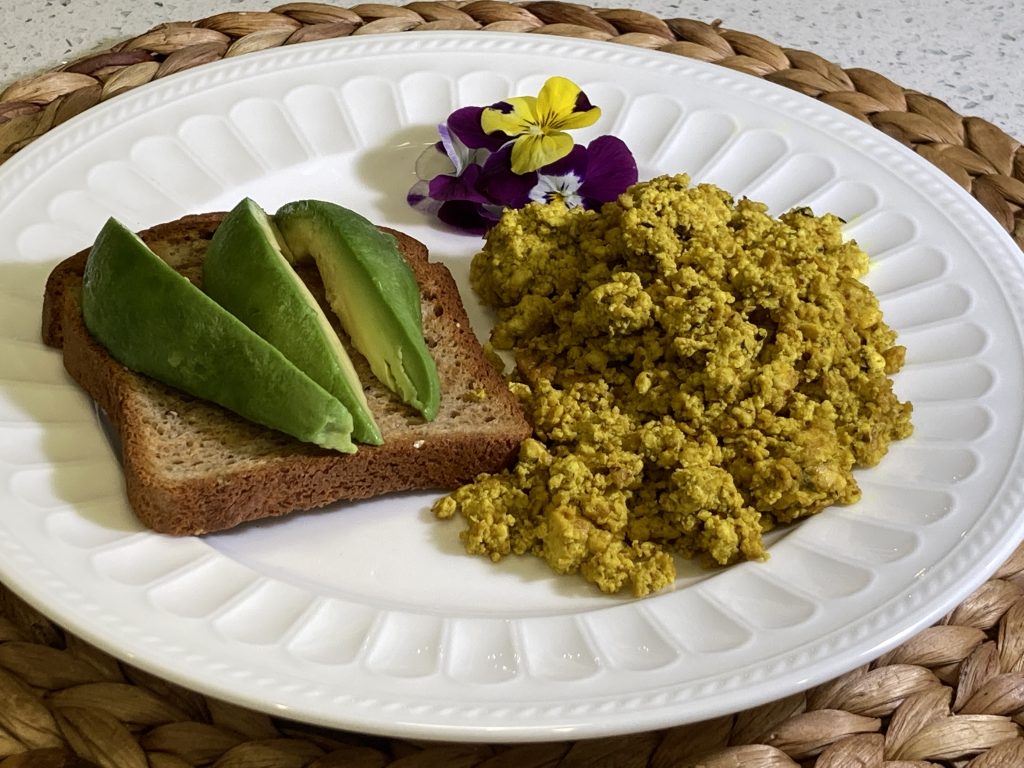
Whether you are vegetarian, vegan, or a flexitarian who wants to eat less meat to do your part for the environment, tofu can be surprisingly delicious—as you will learn when you make this recipe for Savory Scrambled Tofu. It’s a perfect dish for any late-morning brunch, lunch, or dinner.

Because tofu is especially easy to work with, I will often add it as the protein alongside a simple vegetable soup, such as my now-famous Asparagus Soup or Carrot Soup with Coconut Milk (Sacred & Delicious page 99). But’s this scrambled tofu is also a lovely brunch centerpiece with a little avocado toast on the side.

Print
Read More

Cooling Salads for Hot Days

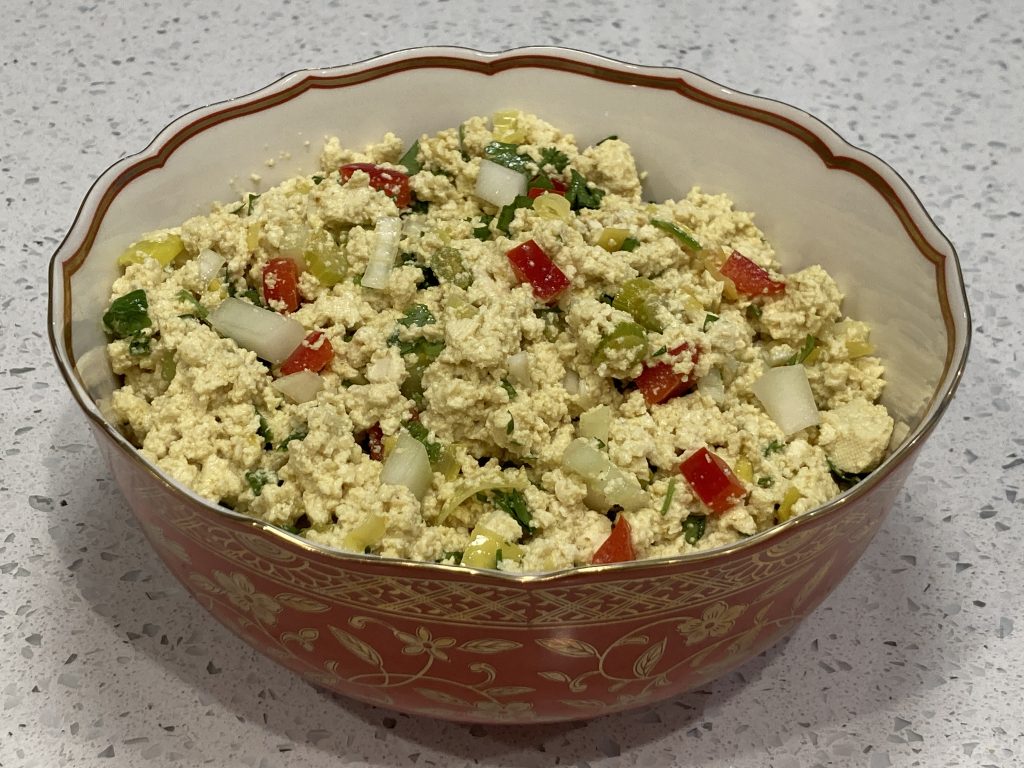
Warm greetings to my gentle readers who have patiently awaited a new recipe while I took some time off this summer. I’d like to reward you with a quick and easy dish to cool you off during these hot summer days—a satisfying and totally yummy Tofu Salad that even omnivores will enjoy (much to their surprise)!

You can serve this as a side dish to a summer soup, on a bed of salad greens, or as the added protein on a colorful vegetable plate. Hmmm…I’m envisioning sweet potato fries, quick asparagus or green beans, and corn on the cob with a half-cup of tofu salad in the center. If you love a sandwich for lunch, pile some tofu salad on your favorite bread. (The salad’s moisture will be a good balance to bread that has become dry, making it easier to digest.)

Summer guidance from Ayurveda

When the “dog days” of summer arrive in August (or, sadly, much earlier across the globe this year) it is important to eat cooling foods that help your metabolism avoid overheating. You’ll also feel cooler on hot days if you choose cooling foods over those that are naturally heating.

Did you know that symptoms such as irritability, headaches, itchiness and sleeplessness (if you wake 2 to 4 a.m. and have difficulty going back to sleep) are often linked with too much heat in the body? This is the ancient wisdom of Ayurveda, which may also be your intuitive understanding. Fortunately, food is our friend when we pay attention to a food’s qualities and the ways these impact our bodies, minds, and emotions.

What are cooling foods?

As you may know, Ayurveda classifies foods in several ways, including whether a food is inherently heating or cooling.

You shouldn’t be surprised to see Ayuveda’s list of cooling foods because we turn to them instinctively when the weather turns hot. Some of the most cooling foods include these:

  • Lettuce, cucumbers, celery, fennel
  • Summer squash, zucchini, asparagus, kale, and spinach
  • Coconut, apples, red and black grapes, and all melons
  • Mint, cilantro, coriander, cumin, and rosewater.
  • Tofu

Balanced cooking

Yes, on its own, tofu is naturally cooling. Combine it with other cooling foods such as fennel or celery, cilantro, and mint and you’ll create a perfect summer dish loaded with protein. However, this combination of foods is so cooling that I added some garlic to the recipe, not only for flavor but for a little balancing heat to aid digestion.

Other foods like dates, figs, cruciferous vegetables, and avocado may not seem to be obviously cooling. This is especially true of avocado because many people make guacamole by adding intensely heating ingredients such as raw onions and jalapenos to avocado—making most guacamole something to avoid during the summer! Certain legumes are also cooling, but they are more easily digested when they’re cooked with generous amounts of warming herbs and spices such as fresh garlic, fresh ginger, turmeric, and other Indian spices including fenugreek and black mustard seeds.

Just as warming spices can balance overly cooling foods such as legumes, you can enlist the help of cooling herbs and spices any time you cook foods that are inherently heating. For instance, Ayurveda classifies carrots as heating, so I serve carrots with lots of cilantro, mint, and a drizzle of coconut milk to make a perfect summer soup.

Enjoy this cooling Tofu Salad throughout the summer, and always feel satisfied at the end of your vegan meal.

PS Looking for more summer dishes? Try these summer soups: Summer Sweet Potato Soup, Corn and Avocado Soup, Broccoli Carrot Soup over basmati rice, PeanutButter Cucumber Soup, Beet and Fennel Soup, Creamy Zucchini Soup in 20 minutes or less.


Print

Read More

Versatile Vegan Sides and Salads for Summer Entertaining

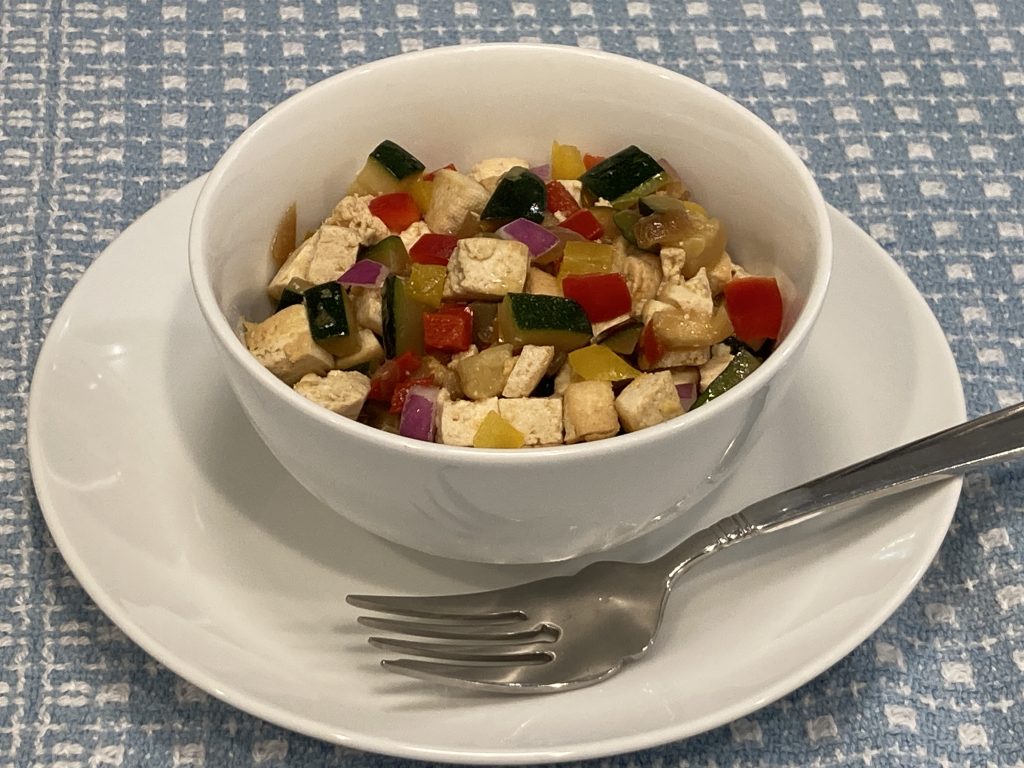
This gluten-free Tofu Salad with Summer Vegetables is a perfectly satisfying and delicious dish that can travel with you to any event this holiday weekend. Serve it chilled at a Memorial Day picnic or serve it as a warm side dish on your family patio.

This Tofu Salad with Summer Vegetables is ideal to pack in a cooler to travel to the beach, to the lake, or to the mountains, and be glad you didn’t have to stop for fast food along the way! Going to a potluck this weekend? Then take this dish to avoid going hungry when you’re surrounded by tables full of meat, dairy, breads, and cakes.

Print
Read More

Easy Dinners with Vegan Protein

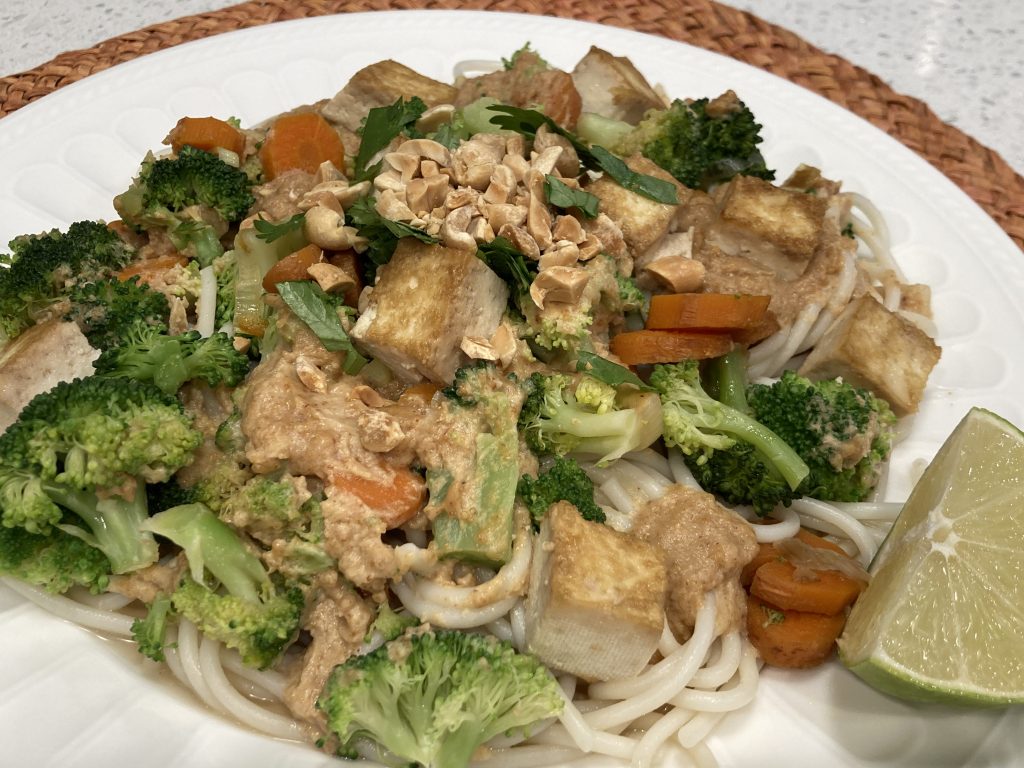
Whether you are a strict vegan or an omnivore looking to add more vegetarian meals to your dinner routines, a Vegan Pad Thai will satisfy your checklist for an easy, satisfying, and delicious weeknight dinner.

Early on in my journey as a vegetarian, I was unaware that Pad Thai—one of my favorite dishes—is traditionally made with fish sauce.

Print
Read More

Five Holiday Self-Care Tips for People with Special Dietary Needs

As someone who is gluten-free, vegan, or vegetarian, have you ever been invited to a festive occasion where the table was laden with food—yet you went home hungry because there was nothing you could eat?

I have!

With this in mind, I am now giving you permission to speak up about your special dietary needs—something that can be especially challenging to do during the holidays.

This is the opposite of the “good manners” I learned from my mother, who bade me always to eat whatever was put before me. Despite my traditional upbringing, I’ve come to understand that those of us who have made dietary choices for reasons of health or ethics should not have to wait for our host to intuit or inquire about our needs. We received an invitation to dinner because our good company was being sought and, since we are clearly loved, we should feel free to speak up!

Here are some practical tips to help you avoid suffering and sustain vibrant health during the holidays, while you enjoy yourself … deliciously:

1. Start by making a commitment to yourself. Be fastidious about avoiding foods that make you sick. If you’re gluten intolerant, dairy intolerant, allergic to nuts, or fill-in-the-blank intolerant, quietly eating what’s before you is not worth the price you’ll pay. Case in point: I was 100 percent gluten-free for three years when, dining out with some friends, I decided to eat eggplant parmesan served over spaghetti. The eggplant had been dredged in wheat flour, and I also ate a few bites of the pasta. Guess what? I had indigestion and a recurrence of joint pain for the next six weeks. That’s six weeks! My advice: if you want to splurge, make sure it’s something that won’t do you in—like, maybe, a gluten-free dessert!

2. Bring up your special dietary needs to your host. Few people outside the special needs group are aware of the short- and long-term consequences of eating foods that trigger an inflammatory response. You don’t need to feel embarrassed or hide your requirements that protect your health. It’s really OK when you respond to an invitation to let your host know you will get sick if you eat certain foods. I’ve had to do this time and again, going to out-of-town weddings, bar mitzvahs, and every kind of potluck, or I would have needed to leave the event to get food. My hosts have always responded graciously.

3. Be a generous potluck participant. When you RSVP and ask for special consideration, also offer to take a couple of delectable dishes for everyone to enjoy. That way, you’ll ensure you don’t go away hungry. You’ll also showcase some of your favorite foods, which could expand others’ food horizons. They may even become more supportive of your needs at the next event. This has been my happy experience.

4. Host the holiday dinner yourself—if not this year, then next. In this way you can state your intention about the food parameters and model polite inclusion: “We’d love to have you join us for a joyful holiday potluck, and we’d be so grateful if you would avoid cooking with the following foods. Please let us know if you have additional dietary needs.” Cook an entrée and a couple of sides that showcase some of your favorite holiday dishes. Let the meal send the message that food can easily be delicious and healthy!

5. If you can bear it, be flexible! Some years my husband and I host a Thanksgiving meal with a long-standing dinner group. While my husband and I don’t eat turkey, I’m not offended that my friends bring a cooked bird to the house. I make some tofu for Tom and me and my now-famous holiday sides. I was an omnivore for much of my life, and I’m not trying to impose my current food choices on anyone. Over time, however, it’s clear that I’ve influenced my close friends, who now think about us when cooking! They’re also eating more vegetarian and vegan meals themselves. It goes to show that being tolerant and accepting is much more influential than condemning others’ choices.

Wishing you vibrant health and delicious memories this holiday season!


Print
Read More

Healthy Comfort Food for the Holidays

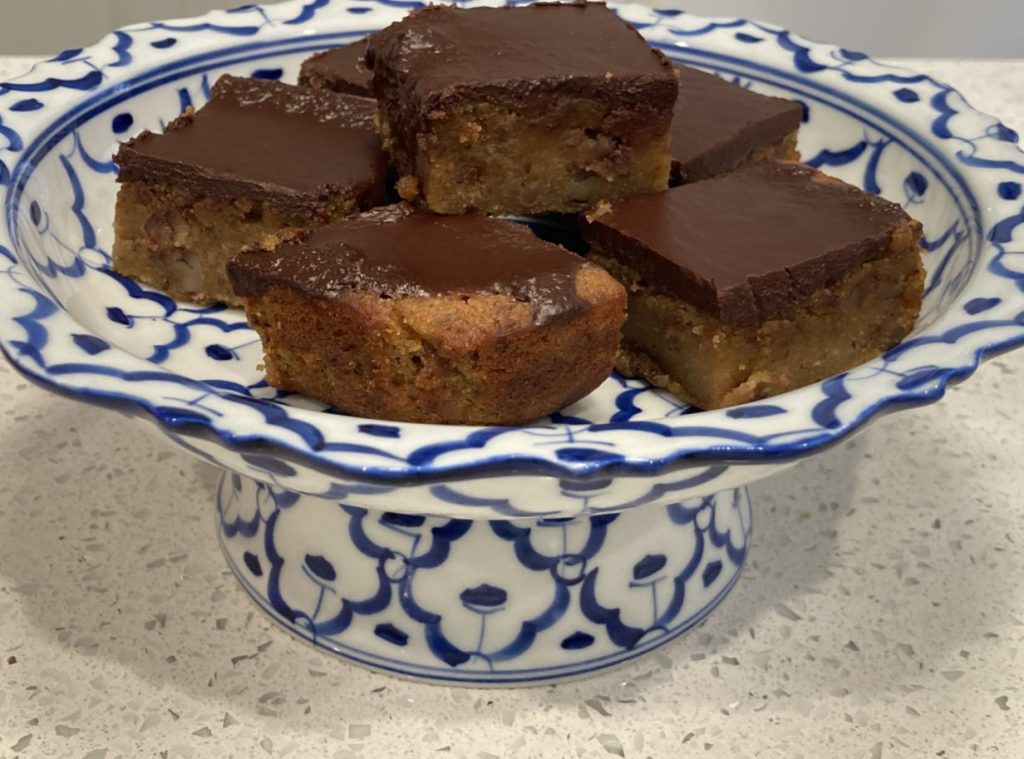
If you have trouble choosing between the pumpkin pie or the chocolate cake on the Thanksgiving dessert table, these vegan and gluten-free Chocolate Glazed Pumpkin Squares will help you satisfy both desires in a few delicious bites! Let me warn you that these are no ordinary cookie bars because they are infinitely rich and moist. A few bites may be just enough. Even so, they qualify as healthy comfort food, in my humble opinion, since they are made with fresh, whole foods.

Print
Read More

Auspicious New Beginnings with Black-Eyed Pea Soup!

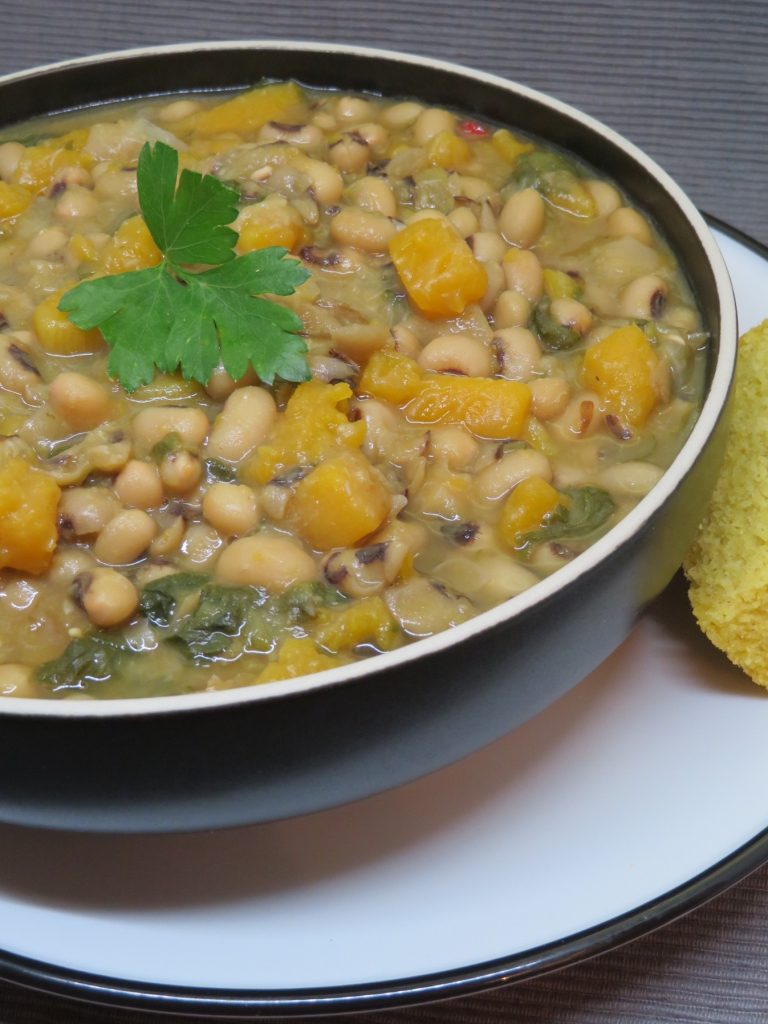
Ask any Southerner how to start the new year in the most auspicious way, and they won’t even blink before naming a bowl of Hoppin’ John or some other version of peas and greens—like this vegetarian Black-Eyed Pea Soup with Collards! Serving such a dish on New Year’s Day is thought to bring good luck because long ago black-eyed peas reminded someone of coins. The greens are said to bring prosperity because greens are associated with green cash. If you enjoy food history, you can read more about this legend at Southern Living  and Epicurious.

My Black-Eyed Pea Soup is filling because of the generous proportion of peas, and it is made even more satisfying by the addition of butternut squash, a favorite winter vegetable. If you serve this soup over rice, like a traditional Hoppin’ John, you will need little (if anything!) else at your New Year’s Day table.

How can you make your New Year’s Day even more auspicious?

Print
Read More

A Gluten-Free Vegetarian Guide to Thanksgiving

If you want to plan an intensely flavorful vegetarian menu for Thanksgiving, look no further! Today I’m sharing a recipe for Gluten-Free Millet Dressing. I’ll also point you to my sumptuous versions of traditional American holiday side dishes, which will fill your family with joy and gratitude!
Why millet?  Millet is a good source of vegetarian protein. One cup of cooked millet offers 6 grams of vegetarian, gluten-free protein, which equals the protein in one egg. It’s also filling, grounding and easy to make.

Now for the rest of the menu. My famous Holiday Sweet Potatoes, topped with a pound and a half of pecans, are the eagerly awaited crown jewel of our holiday table. For a dash of freshness and color I offer this cranberry salad, a squeaky clean, upscale version of the canned stuff that used to be served when we were growing up!

Print
Read More

Thanksgiving Sides Your Guests Will Never Forget!

For vegetarians and vegans, Thanksgiving is all about the traditional mouth-watering side dishes, and of course, I’m all about making them as healthy as they are delicious!

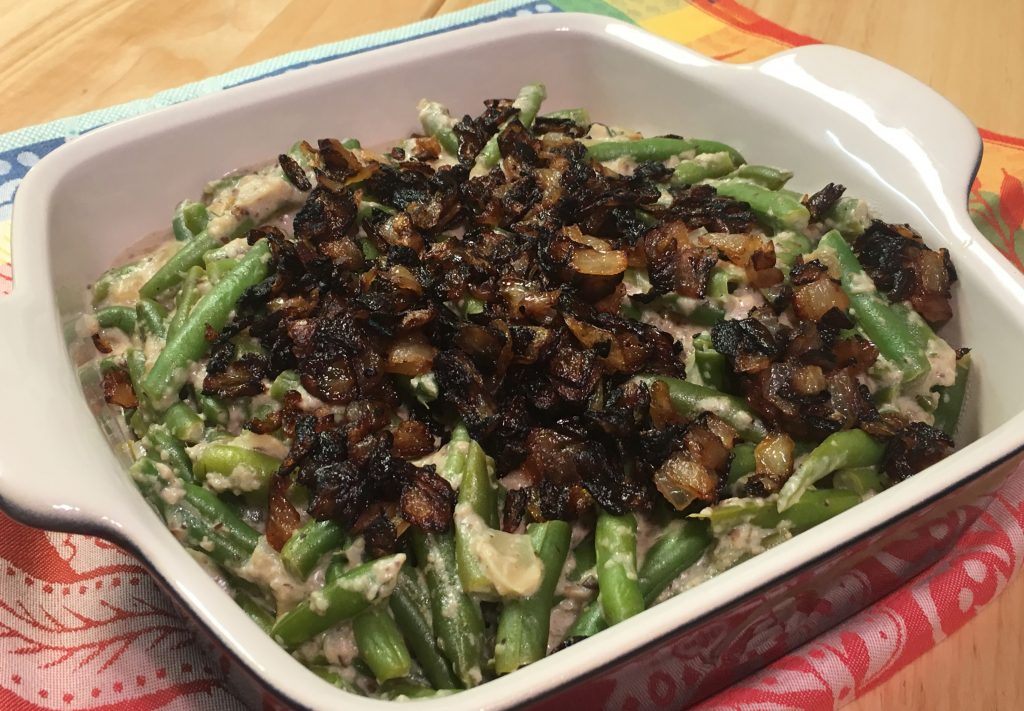
Today I’ll point to all of my favorite holiday sides and introduce you to a new recipe: Reimagined Green Bean Casserole.

When I was young, in the ’50s and ’60s, cooking for convenience was all the rage, and there was no cornucopia of fresh vegetables readily available in grocery stores. I can’t fault my mother for her frozen spinach with canned mushroom soup—though just the thought of it now makes me cringe! Even then, I had no taste for such food. I learned to love vegetables only when I began cooking with my college roommate, Ellen Brock, who grew up picking fresh veggies out of her mother’s garden.

But there was nothing wrong with the idea behind my in-laws’ green bean casserole with canned mushroom soup and canned onion rings. The potential is there for a great dish. I invite you to expand your culinary imagination with this recipe.

This Reimagined Green Bean Casserole is a vegan and gluten-free dish made with fresh ingredients: green beans, caramelized onions, fresh almond milk (if available), fresh ginger, and shiitake mushrooms

Print
Read More

Welcome Spring with Asparagus Soup

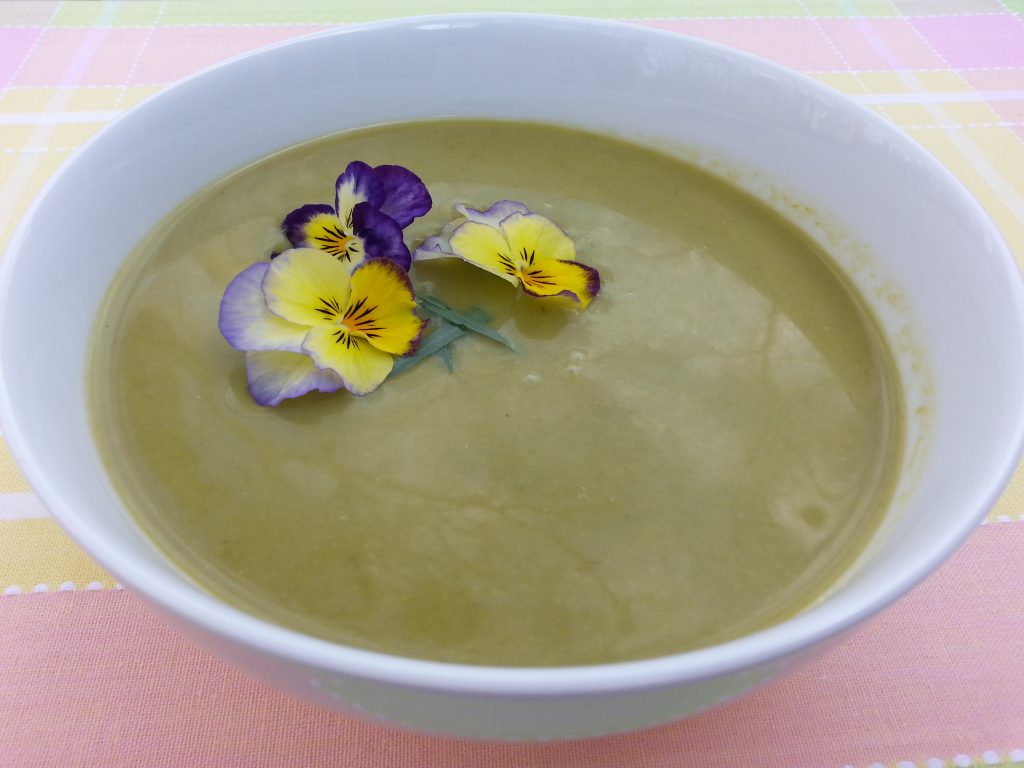
Magnificent spring! O, how we welcome your abundant blessings! For my toast to spring I offer you, dear readers, this easy Asparagus Soup recipe, a sneak-peek from Sacred & Delicious: A Modern Ayurvedic Cookbook.  It’s still cool enough during these early spring nights to enjoy the warmth of  a delicate vegetable soup, though this is one of the few vegetable soups that I also enjoy at room temperature on a warm day.

When I initially crafted this recipe, my intention was to make a creamy soup, but the asparagus smelled so good before I added milk that I served it dairy-free and have ever since.  If you’re accustomed to dairy and think you’ll miss real cream, I suggest that you try adding a swirl of whole coconut milk for a sensual flourish when you serve the dish to your grateful guests.

Print
Read More