Search Results for: Summer soups/about:blank

Sign up now for our Sacred & Delicious Blog

Receive our bonus gift: Sacred & Delicious food list!

  • This field is for validation purposes and should be left unchanged.

  • Please select the flag Please select the flag

Related Topics:

Balancing Summer Heat with Cooling Foods

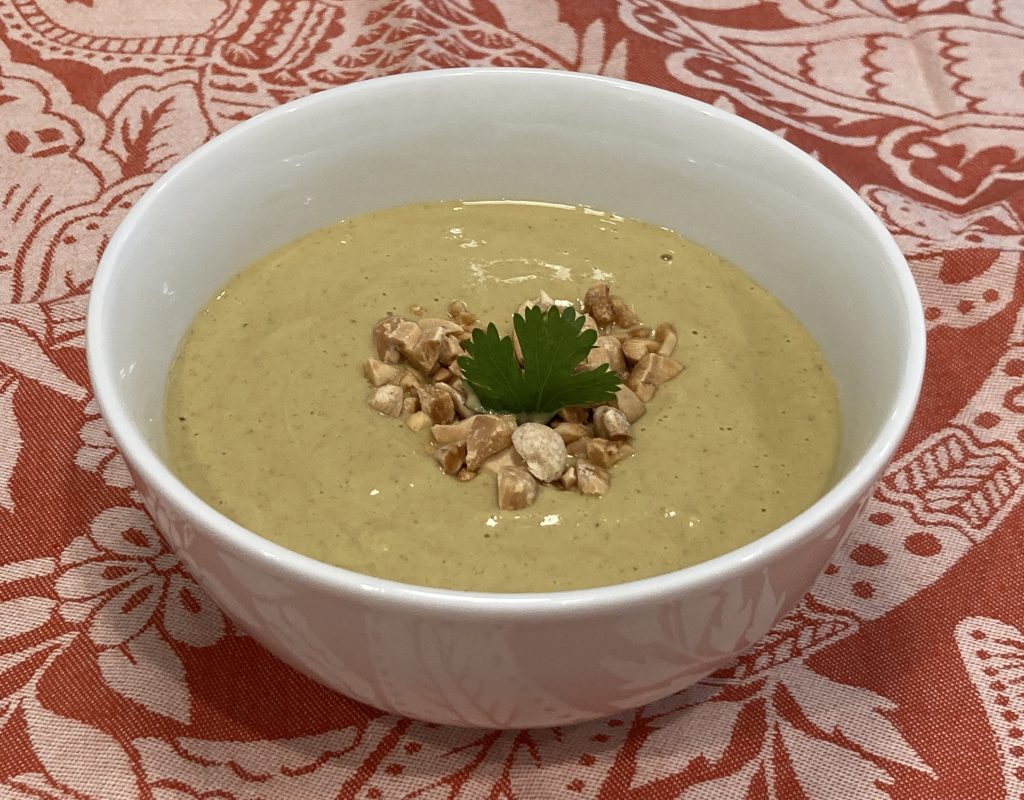
Today’s recipe for Peanut Butter and Cucumber Soup is the perfect remedy for this week’s heat wave hitting the South. It’s going to be 100ºF today in Raleigh, North Carolina, and with the humidity heat index factored in, forecasters promise it will feel like a blazing 109º—too darn hot for June! This is an ideal time to make some fun dishes that satisfy your hunger without ever turning on a stove.

The central ingredient in this delicious soup is, of course, peanut butter—which is a bit heating to the metabolism, according to Ayurveda. For this reason, I balance the recipe with cooling foods: a seeded cucumber, cilantro, and mint. (Cilantro haters can just use more mint!)

Print
Read More

Variation on a Couple of Themes!

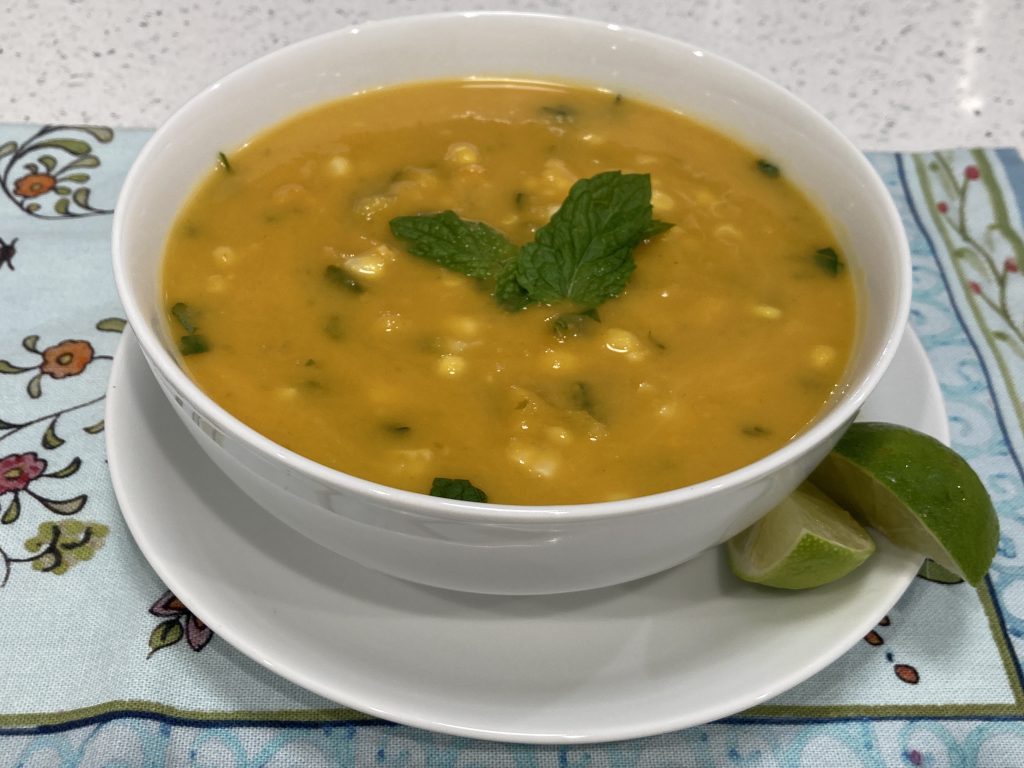
I’m betting that corn lovers who raved about my recent Bean & Corn Salad  will also love this easy Sweet Potato Soup with Crunchy Corn. What could be more delicious or Southern, for that matter, than combining sweet potatoes with the crunch of sweet corn to create a perfect summer dish!

Print
Read More

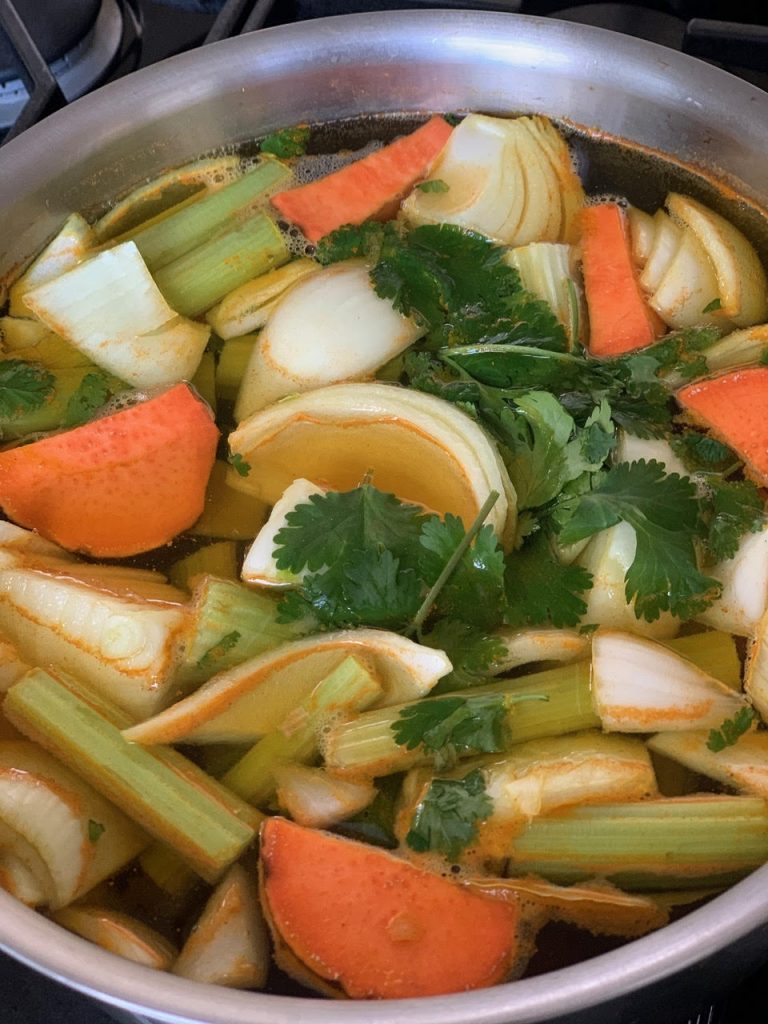
Make Your Own Stock, Please, for Exponentially More Delicious Soups!

Photo by Candice Stark

Nothing compares to the taste or healing power of a fresh soup stock created from pristine vegetables teeming with nutrients. If you thrill to the taste of fine food, then the boxed or canned stuff doesn’t quite cut it! I cannot tell you how many friends who have dined with us report that their rendition of my latest soup recipe didn’t measure up to what they tasted at our table. I always follow such a comment with the question, “did you make the soup stock or use a box?” Inevitably, to a person, they had skipped this vital step. This is my most unscientific research to emphasize that making fresh stock is always worth planning ahead and investing a few more minutes of your time!

This easy vegetable stock has a gentle flavor but it adds depth to any recipe. Please note that I specify Light Grey Celtic Sea Salt,

Print
Read More

Zucchini Soup in 20 Minutes or Less

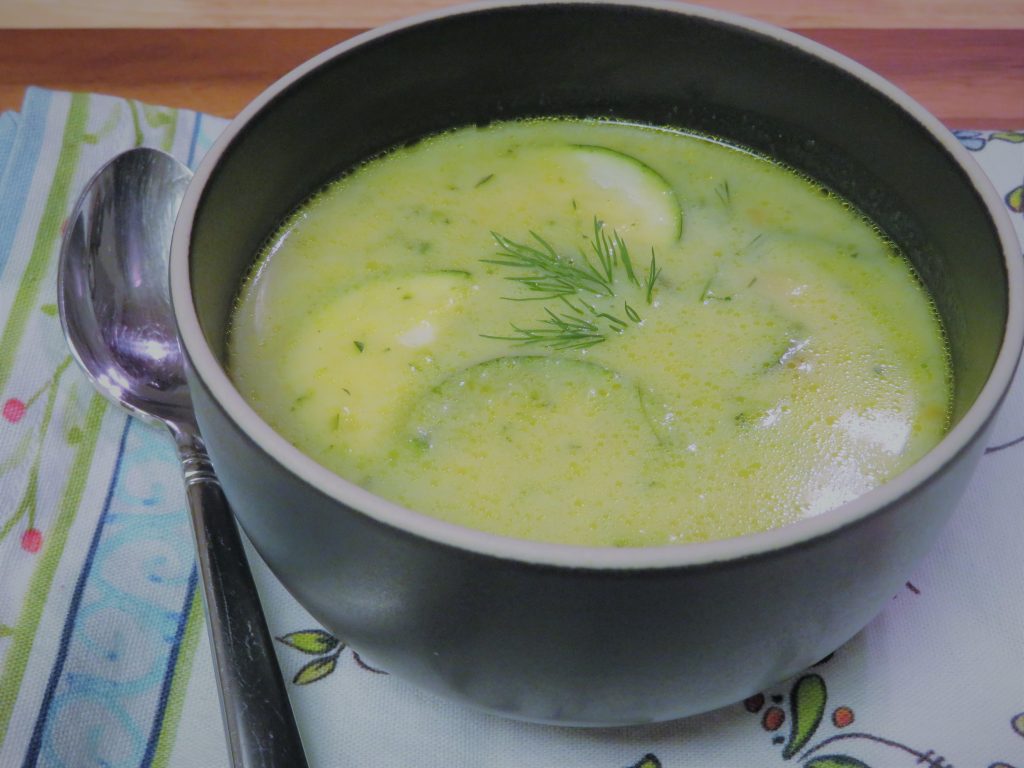
If you like zucchini, you will love Creamy Zucchini Soup. This tasty vegan soup will help you make an easeful transition from summer to fall. And another thing about this dish that is great is that it takes no more than 20 minutes to make, start to finish!

During September and October, and even into November in some places, zucchini is being harvested before the first big frost. As the nights are getting cooler in many parts of the country, this warm, gingery vegetable soup is a perfect accompaniment to a veggie burger, a pasta entrée, or a sweet potato stuffed with black beans! As cold and flu season approaches, one

Print
Read More

Cooling Salads for Hot Days

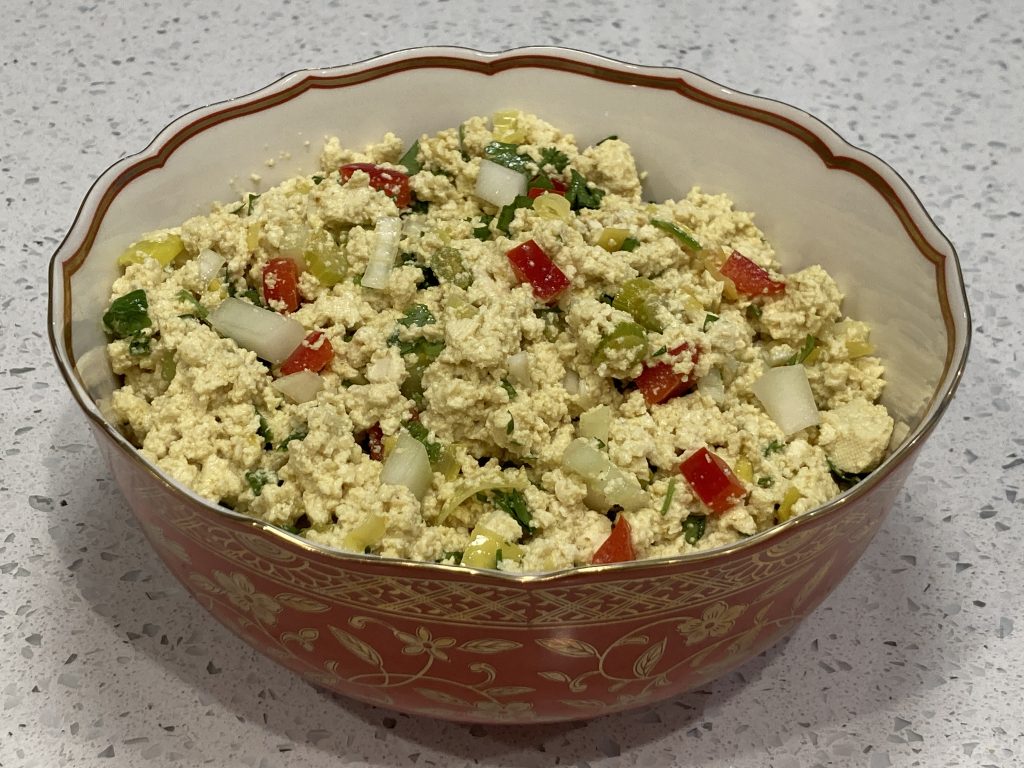
Warm greetings to my gentle readers who have patiently awaited a new recipe while I took some time off this summer. I’d like to reward you with a quick and easy dish to cool you off during these hot summer days—a satisfying and totally yummy Tofu Salad that even omnivores will enjoy (much to their surprise)!

You can serve this as a side dish to a summer soup, on a bed of salad greens, or as the added protein on a colorful vegetable plate. Hmmm…I’m envisioning sweet potato fries, quick asparagus or green beans, and corn on the cob with a half-cup of tofu salad in the center. If you love a sandwich for lunch, pile some tofu salad on your favorite bread. (The salad’s moisture will be a good balance to bread that has become dry, making it easier to digest.)

Summer guidance from Ayurveda

When the “dog days” of summer arrive in August (or, sadly, much earlier across the globe this year) it is important to eat cooling foods that help your metabolism avoid overheating. You’ll also feel cooler on hot days if you choose cooling foods over those that are naturally heating.

Did you know that symptoms such as irritability, headaches, itchiness and sleeplessness (if you wake 2 to 4 a.m. and have difficulty going back to sleep) are often linked with too much heat in the body? This is the ancient wisdom of Ayurveda, which may also be your intuitive understanding. Fortunately, food is our friend when we pay attention to a food’s qualities and the ways these impact our bodies, minds, and emotions.

What are cooling foods?

As you may know, Ayurveda classifies foods in several ways, including whether a food is inherently heating or cooling.

You shouldn’t be surprised to see Ayuveda’s list of cooling foods because we turn to them instinctively when the weather turns hot. Some of the most cooling foods include these:

  • Lettuce, cucumbers, celery, fennel
  • Summer squash, zucchini, asparagus, kale, and spinach
  • Coconut, apples, red and black grapes, and all melons
  • Mint, cilantro, coriander, cumin, and rosewater.
  • Tofu

Balanced cooking

Yes, on its own, tofu is naturally cooling. Combine it with other cooling foods such as fennel or celery, cilantro, and mint and you’ll create a perfect summer dish loaded with protein. However, this combination of foods is so cooling that I added some garlic to the recipe, not only for flavor but for a little balancing heat to aid digestion.

Other foods like dates, figs, cruciferous vegetables, and avocado may not seem to be obviously cooling. This is especially true of avocado because many people make guacamole by adding intensely heating ingredients such as raw onions and jalapenos to avocado—making most guacamole something to avoid during the summer! Certain legumes are also cooling, but they are more easily digested when they’re cooked with generous amounts of warming herbs and spices such as fresh garlic, fresh ginger, turmeric, and other Indian spices including fenugreek and black mustard seeds.

Just as warming spices can balance overly cooling foods such as legumes, you can enlist the help of cooling herbs and spices any time you cook foods that are inherently heating. For instance, Ayurveda classifies carrots as heating, so I serve carrots with lots of cilantro, mint, and a drizzle of coconut milk to make a perfect summer soup.

Enjoy this cooling Tofu Salad throughout the summer, and always feel satisfied at the end of your vegan meal.

PS Looking for more summer dishes? Try these summer soups: Summer Sweet Potato Soup, Corn and Avocado Soup, Broccoli Carrot Soup over basmati rice, PeanutButter Cucumber Soup, Beet and Fennel Soup, Creamy Zucchini Soup in 20 minutes or less.


Print

Read More

Five Holiday Self-Care Tips for People with Special Dietary Needs

As someone who is gluten-free, vegan, or vegetarian, have you ever been invited to a festive occasion where the table was laden with food—yet you went home hungry because there was nothing you could eat?

I have!

With this in mind, I am now giving you permission to speak up about your special dietary needs—something that can be especially challenging to do during the holidays.

This is the opposite of the “good manners” I learned from my mother, who bade me always to eat whatever was put before me. Despite my traditional upbringing, I’ve come to understand that those of us who have made dietary choices for reasons of health or ethics should not have to wait for our host to intuit or inquire about our needs. We received an invitation to dinner because our good company was being sought and, since we are clearly loved, we should feel free to speak up!

Here are some practical tips to help you avoid suffering and sustain vibrant health during the holidays, while you enjoy yourself … deliciously:

1. Start by making a commitment to yourself. Be fastidious about avoiding foods that make you sick. If you’re gluten intolerant, dairy intolerant, allergic to nuts, or fill-in-the-blank intolerant, quietly eating what’s before you is not worth the price you’ll pay. Case in point: I was 100 percent gluten-free for three years when, dining out with some friends, I decided to eat eggplant parmesan served over spaghetti. The eggplant had been dredged in wheat flour, and I also ate a few bites of the pasta. Guess what? I had indigestion and a recurrence of joint pain for the next six weeks. That’s six weeks! My advice: if you want to splurge, make sure it’s something that won’t do you in—like, maybe, a gluten-free dessert!

2. Bring up your special dietary needs to your host. Few people outside the special needs group are aware of the short- and long-term consequences of eating foods that trigger an inflammatory response. You don’t need to feel embarrassed or hide your requirements that protect your health. It’s really OK when you respond to an invitation to let your host know you will get sick if you eat certain foods. I’ve had to do this time and again, going to out-of-town weddings, bar mitzvahs, and every kind of potluck, or I would have needed to leave the event to get food. My hosts have always responded graciously.

3. Be a generous potluck participant. When you RSVP and ask for special consideration, also offer to take a couple of delectable dishes for everyone to enjoy. That way, you’ll ensure you don’t go away hungry. You’ll also showcase some of your favorite foods, which could expand others’ food horizons. They may even become more supportive of your needs at the next event. This has been my happy experience.

4. Host the holiday dinner yourself—if not this year, then next. In this way you can state your intention about the food parameters and model polite inclusion: “We’d love to have you join us for a joyful holiday potluck, and we’d be so grateful if you would avoid cooking with the following foods. Please let us know if you have additional dietary needs.” Cook an entrée and a couple of sides that showcase some of your favorite holiday dishes. Let the meal send the message that food can easily be delicious and healthy!

5. If you can bear it, be flexible! Some years my husband and I host a Thanksgiving meal with a long-standing dinner group. While my husband and I don’t eat turkey, I’m not offended that my friends bring a cooked bird to the house. I make some tofu for Tom and me and my now-famous holiday sides. I was an omnivore for much of my life, and I’m not trying to impose my current food choices on anyone. Over time, however, it’s clear that I’ve influenced my close friends, who now think about us when cooking! They’re also eating more vegetarian and vegan meals themselves. It goes to show that being tolerant and accepting is much more influential than condemning others’ choices.

Wishing you vibrant health and delicious memories this holiday season!


Print
Read More

10 Ways to Celebrate the Healing Power of Spices

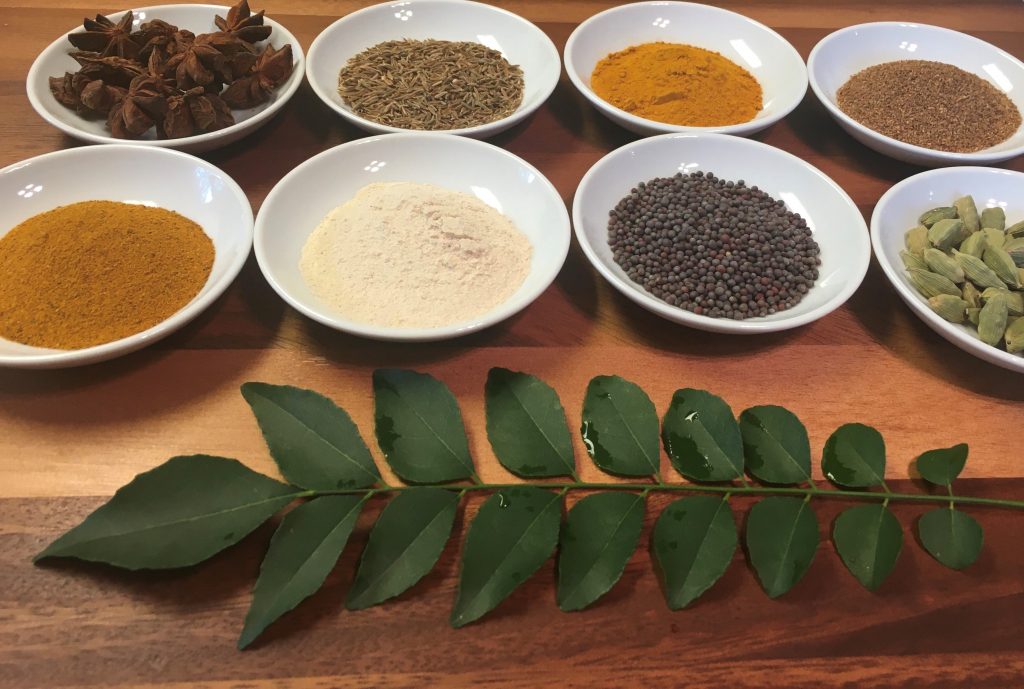
Looking for a soup to warm you, body and soul? Then look no further than this Curried Cauliflower Soup, which serves as a great introduction to the healing power of spices.

After a week of frigid weather in North Carolina, we’re definitely craving hot soup for dinner. Although the cherry trees in our neighborhood were already starting to bloom, as they were apparently confused by a few weeks of 65 to 70 degrees!

To many readers, nothing says “hot” quite like “curry,” but if you don’t enjoy heavily spiced foods—because, like me, you avoid cayenne pepper—you may be pleasantly surprised how much you’ll love this cauliflower soup. Why? Because this recipe has built-in flexibility from delicately flavored to spicy hot. Although “curry” usually signals fiery hot, when I cook, I leave the cayenne out altogetherbut you can certainly add as much as you enjoy. A curry is simply any Indian-spiced dish with a mélange of spices that are cooked in water and fat to create a gravy, or in this case, a soup.

Print
Read More

Mushroom Lentil Soup

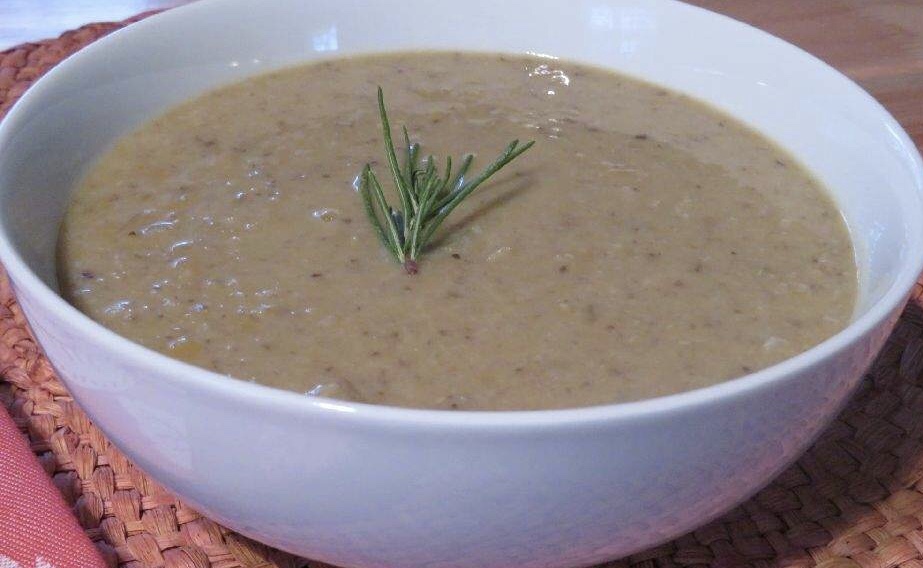
With so much cold and flu circulating in every public place at this time of year, I started eyeing the shiitake mushrooms at the grocery store today… and then invoked the Goddess Annapurna to help me create a delicious approach to mushroom soup. This Mushroom Lentil Soup is just that—a dish that’s definitely for mushroom lovers, as it boasts a hearty amount of the immune-boosting shiitakes.

The neutral-flavored red lentils, also known as masoor dal, give the soup substance as well as protein and iron. I use a mixture of traditional Ayurvedic spices (cumin and coriander to balance agni) along with classic American herbs (rosemary and sage), which you might expect to find in a mushroom bisque. You can add a couple of tablespoons or more of wine if you wish—just a little adds a nice dimension to the flavor.

Print
Read More

Asparagus and the Joys of Spring

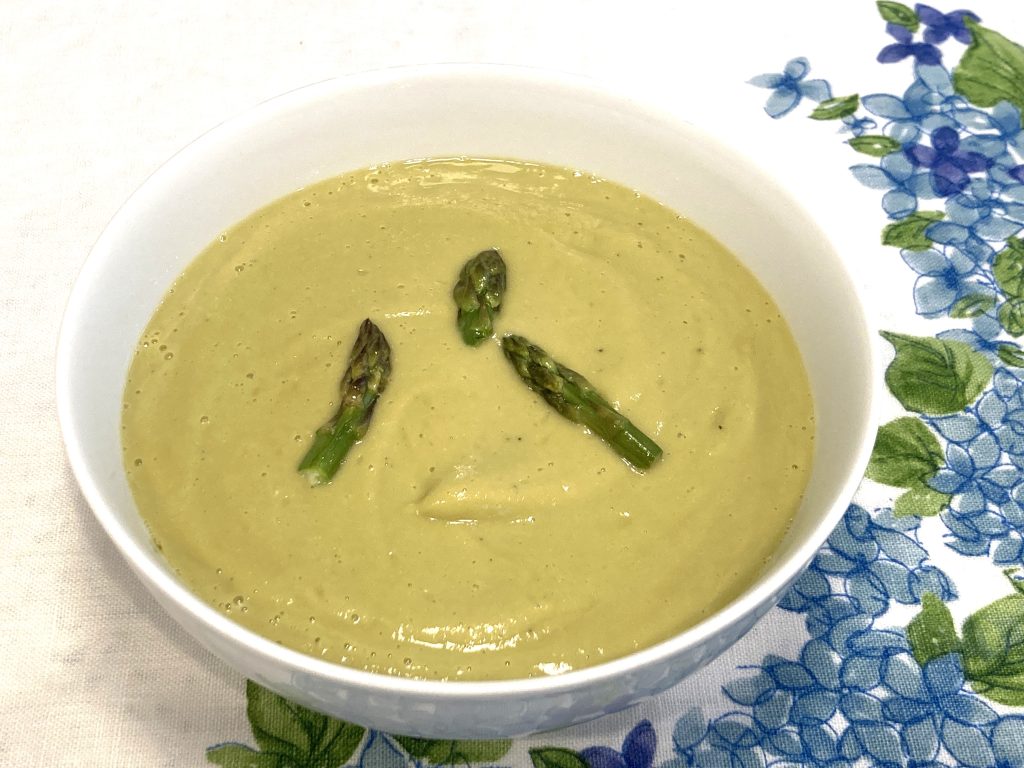
I can hardly wait to share this recipe for Vegan Asparagus Soup with Cashew Cream as we celebrate the official start of spring! Asparagus are the true culinary heralds of spring, and I’ve been finding plentiful, gorgeous organic asparagus in our Raleigh markets.

My most loyal readers report how much they love—and how often they cook—the first Asparagus Soup recipe from Sacred & Delicious that I published on my blog in 2017. Nonetheless, I eagerly await annual inspiration for new and creative approaches to cooking nature’s springtime bounty, as you will see on the Sacred & Delicious BlogSo, my friends, you may want to be adventurous and try another delicious way of eating asparagus soup!

Print
Read More

Bring on the Cucumbers!

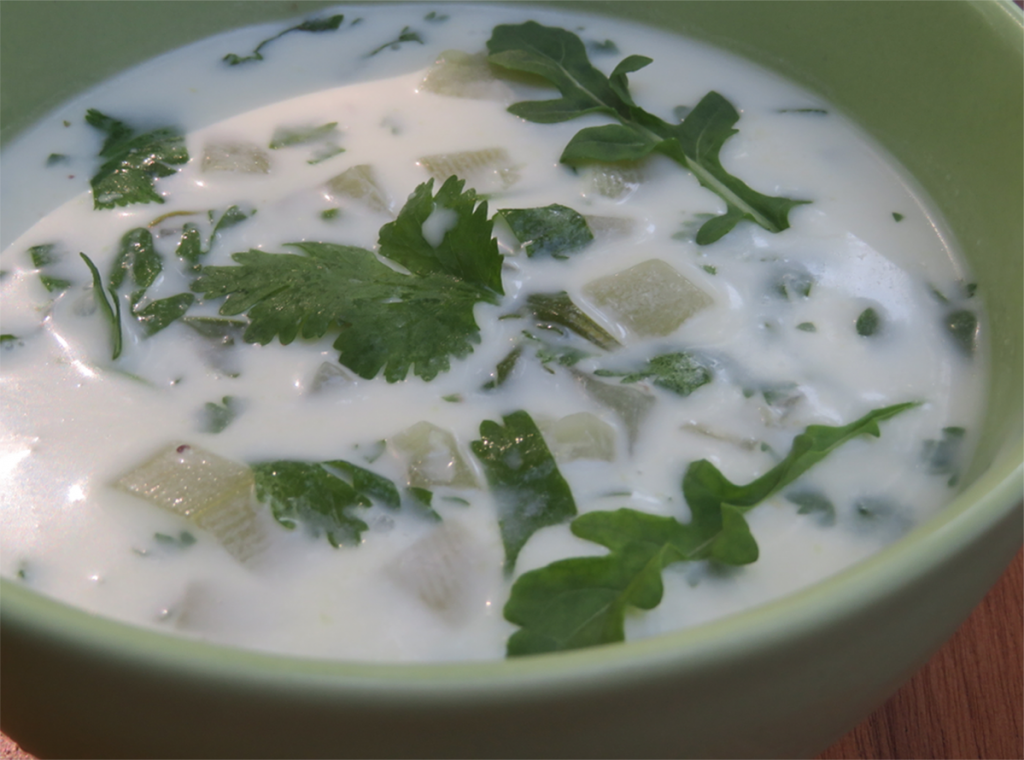
Ayurveda’s common-sense dictum is that opposite qualities balance one another—whether in the body, the mind, or the emotions. So, to quell the last of the summer heat, I call for balance and say, “Bring on the cucumbers with this lovely Cucumber and Coconut Milk Soup!”

In this yummy summer soup, the cooling power of cucumber is augmented by coconut milk, cilantro, and mint, all which cool the metabolism even further. Fresh ginger, cumin seeds, black mustard seeds, and lime all aid digestion besides being richly flavorful. They are also warming foods, which bring balance to the dish for vata and kapha types, who tend to be cold natured.

Print
Read More